

To address wedding invitations modernly, use full names and titles without abbreviations. Include both guests’ names for couples.
Modern wedding invitations reflect your style and respect your guests. Use formal names and titles, avoiding nicknames. For married couples, write both names on the same line. For unmarried or same-sex couples, use two lines. Address singles with their full name and title.
Ensure clarity and elegance by using proper etiquette. This approach not only maintains tradition but also adds a contemporary touch. Personalized addressing shows thoughtfulness and attention to detail. These guidelines help set the tone for your special day, making your guests feel valued and respected. Use these tips to make your wedding invitations stand out.
Choosing The Right Style
Choosing the right style for addressing wedding invitations is crucial. It sets the tone for your special day. The style should reflect your wedding theme and personal taste. Whether you lean towards traditional or modern, formal or informal, each choice says something unique.
Traditional Vs. Modern
Traditional styles use formal language and titles. This approach is timeless and elegant. For example, “Mr. and Mrs. John Smith” is a classic format. Traditional styles often include full names and titles. This shows respect and formality.
Modern styles are more relaxed. They often skip titles and use first names. For example, “John and Mary Smith” feels more casual. Modern addressing can reflect a contemporary and laid-back vibe. It’s perfect for less formal weddings.
Formal Vs. Informal
Formal addressing uses full names and titles. It also includes honorifics like “Dr.” or “Prof.” This style is ideal for black-tie or elegant weddings. It shows a high level of respect and sophistication.
Informal addressing is more relaxed. It may use just first names or even nicknames. For example, “John and Mary” is simple and friendly. Informal styles suit casual or intimate weddings. They create a warm and personal touch.
| Style | Example | Occasion |
|---|---|---|
| Traditional | Mr. and Mrs. John Smith | Formal Weddings |
| Modern | John and Mary Smith | Casual Weddings |
| Formal | Dr. and Mrs. John Smith | Black-tie Events |
| Informal | John and Mary | Intimate Gatherings |

Credit: www.invitedbylamaworks.com
Guest Name Etiquette
Knowing how to properly address wedding invitations is important. Your guests will appreciate the attention to detail. Follow these guidelines for modern guest name etiquette to ensure your invitations are perfect.
Individual Guests
Addressing an invitation to a single guest requires precision. Use their full name. Avoid using nicknames unless specifically requested. Example:
- Ms. Jane Doe
- Mr. John Smith
If your guest has a professional title, include it. Examples:
- Dr. Emily Clark
- Professor Robert Brown
Couples And Families
For couples, list both names. Traditionally, the man’s name is listed first. Example:
- Mr. John Smith and Ms. Jane Doe
For married couples with the same last name, use:
- Mr. and Mrs. John Smith
When addressing families, include all family members invited. Example:
- Mr. and Mrs. John Smith and Family
Or list each child’s name:
- Mr. and Mrs. John Smith, Emma, and Jack
Titles And Honorifics
Addressing wedding invitations can be tricky. Using titles and honorifics correctly is crucial. They show respect and follow tradition. This guide will help you navigate this with ease.
Using Titles Correctly
Titles like Mr., Mrs., and Dr. should be used properly. They reflect the formality of the occasion. Here’s a simple table to help:
| Title | Usage |
|---|---|
| Mr. | For men. |
| Mrs. | For married women. |
| Miss | For unmarried women. |
| Ms. | For women, regardless of marital status. |
| Dr. | For individuals with a doctoral degree. |
When To Skip Titles
In modern times, skipping titles can be acceptable. Here are some scenarios:
- Close friends: First names are often enough.
- Informal weddings: Titles may seem too formal.
- Same-gender couples: Titles can be tricky.
- Young guests: Using titles may not be necessary.
Always consider the preferences of your guests. If unsure, ask them directly. This ensures everyone feels respected and valued.
:max_bytes(150000):strip_icc()/2_wedding_invites_basics-1-c5eeae27e7e8470e86b665eaf14a216b.png)
Credit: www.southernliving.com
Addressing Inner Envelopes
Inner envelopes add an extra touch of elegance to your wedding invitations. They help keep the invitation neat and tidy. Inner envelopes also let you personalize each invite more easily.
Purpose Of Inner Envelopes
The inner envelope serves a special role. It protects the main invitation. It adds a layer of sophistication. Inner envelopes also allow you to address your guests more informally. This makes the invitation feel more personal and special.
How To Address Them
Follow these simple steps to address inner envelopes:
- Write the name of each guest.
- Use titles like Mr., Mrs., or Dr.
- Include children’s names if invited.
- Use first names for close friends and family.
| Guest | Inner Envelope Address |
|---|---|
| Mr. and Mrs. Smith | Mr. and Mrs. Smith |
| Dr. and Mrs. Johnson | Dr. and Mrs. Johnson |
| Ms. Emily Brown and Guest | Ms. Emily and Guest |
| The Green Family | Mr. and Mrs. Green, John, and Emma |
Using inner envelopes creates a polished look. It makes your guests feel special. Ensure you follow these guidelines for a modern touch.
Handling Plus Ones
Handling plus ones on wedding invitations can be a delicate task. You want to ensure everyone feels included and welcome. This guide will help you navigate the process smoothly.
Inviting A Plus One
Inviting a plus one can be tricky. You need to decide who gets the option. Consider your budget and venue capacity first. Close friends and family usually get priority. If you know your guest has a partner, include them. Be clear about who is invited on the invitation.
Addressing Plus Ones On Envelopes
Addressing plus ones on envelopes requires care. You want to get the names right. Use full names if possible. Here are some examples to help you:
| Scenario | How to Address |
|---|---|
| Known Plus One | Mr. John Smith and Ms. Jane Doe |
| Unknown Plus One | Mr. John Smith and Guest |
| Married Couple | Mr. and Mrs. John Smith |
| Same-Sex Couple | Ms. Jane Doe and Ms. Emily Roe |
Use “and Guest” if you don’t know the plus one’s name. This shows flexibility and inclusivity. For married or engaged couples, use both names. This demonstrates respect and attention to detail.
When addressing the outer envelope, follow this format:
- Title and Full Name
- Street Address
- City, State, Zip Code
For example:
  Mr. John Smith and Guest

  123 Wedding Lane

  Celebration City, ST 12345
By following these tips, you ensure everyone feels welcome.
Including Children
Inviting children to your wedding can be a joyful experience. It adds a touch of innocence and fun. But how do you address the invitations correctly? Here are some tips to help you.
Addressing Invitations To Families
When inviting a family, include the children’s names. This shows they are welcome.
Use the following format:
| Envelope | Inside Invitation |
|---|---|
| Mr. and Mrs. Smith | Mr. and Mrs. Smith |
| and Family | John, Jane, and Emma |
By listing the children’s names, you make the invitation clear.
When Not To Include Children
Some weddings may be adult-only. In this case, do not mention children.
Use this format:
- Mr. and Mrs. Smith
Make it clear on your wedding website or invitation suite.
- “Adult-only reception”
- “Respectfully, no children”
Parents will understand your preferences.
Dealing With Different Last Names
Addressing wedding invitations can be tricky, especially with different last names. Modern weddings often include diverse name combinations. This guide helps you address those invitations correctly and respectfully.
Unmarried Couples
Unmarried couples often live together but have separate last names. Addressing their invitation properly shows respect and attention to detail.
Use the following format:
- List the names on separate lines.
- Put the names in alphabetical order by last name.
Example:
Mr. John Doe
Ms. Jane Smith
123 Wedding Lane
Love City, ST 12345
Hyphenated And Double Last Names
Some people combine last names using hyphens or double-barreled names. Addressing these invitations requires special attention.
Use the full hyphenated or double last name:
- Write the full name, including the hyphen or both last names.
- Ensure the names are spelled correctly.
Example:
Mr. John Smith-Jones
Ms. Emily Brown-Williams
456 Celebration Avenue
Happy Town, ST 67890
Addressing wedding invitations with different last names need not be stressful. Follow these guidelines to ensure everyone feels included and respected.
International Guests
Planning a wedding is exciting, especially with international guests. Sending invitations across borders requires attention to detail.
Addressing International Invitations
Addressing invitations for international guests involves more than just writing their names. Ensure you include the correct country and postal codes.
- Use international address formats.
- Ensure all details are clear and correct.
- Include the country name in capital letters.
Avoid abbreviations that may confuse postal services. Double-check everything before sending.
Considering Cultural Differences
Different cultures have unique ways to address invitations. Respect these differences to show your guests you care.
| Culture | Addressing Tips |
|---|---|
| Japanese | Use titles and family names first. |
| French | Include full names and professional titles. |
| Indian | Include both names if inviting couples. |
Always research the correct format before sending invitations. This ensures your guests feel respected and welcomed.
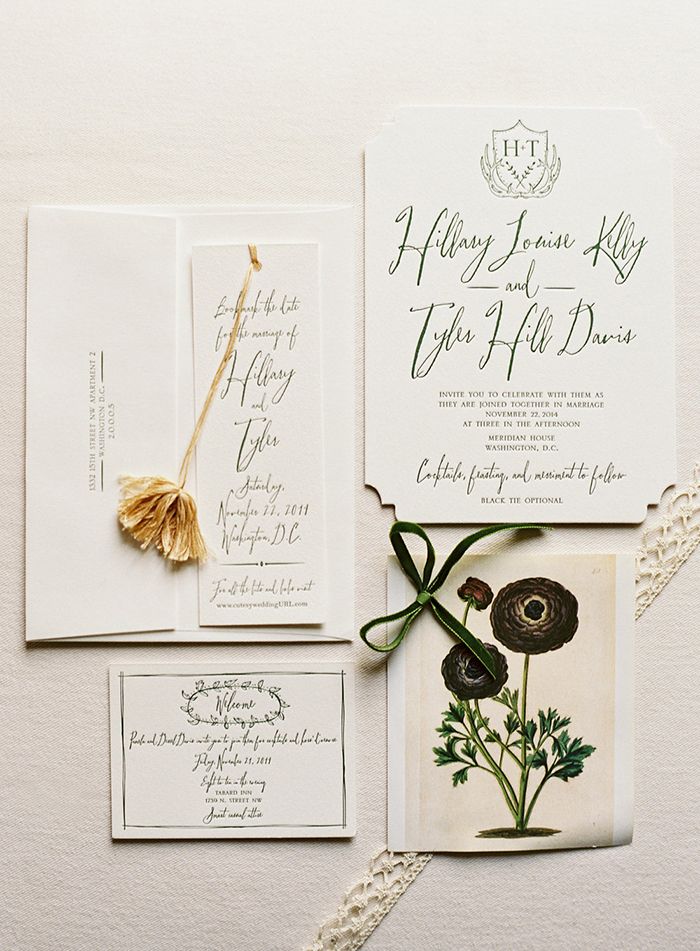
Credit: mountainsidebride.com
Conclusion
Mastering the art of addressing wedding invitations can make your special day even more memorable. Use these modern tips to ensure clarity and elegance. Your guests will appreciate the thoughtfulness. Start your wedding journey on the right note with beautifully addressed invitations.
Happy planning!


Leave a Reply